SEE OUR SPECIALS


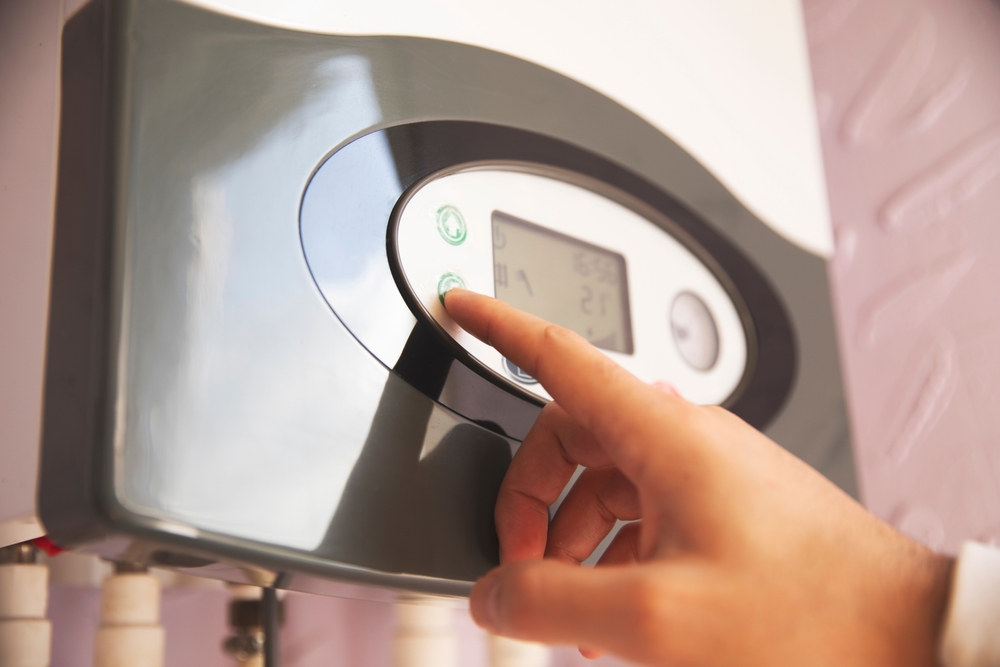
A tank sitting in a garage or closet quietly heating and reheating the same forty gallons of water all day isn’t exactly cutting edge technology anymore. More homeowners considering a tankless water heater in South Tampa, FL, are doing the math on whether skipping the tank altogether actually saves money, or just shifts the cost somewhere else. Tankless systems heat water on demand, only running when a faucet or appliance calls for hot water, rather than maintaining a full tank at temperature around the clock. That difference sounds simple, but it changes almost everything about installation, operating cost, and how the system behaves during peak household demand. Whether it’s worth the switch depends on the house, the household’s hot water habits, and what’s currently installed. A young couple in a two bathroom bungalow faces a very different calculation than a family running three showers back to back every morning.
1. What Actually Changes When You Go Tankless
A traditional tank holds a fixed volume of hot water and keeps reheating it whether anyone’s using it or not, which burns energy even during hours nobody’s home. A tankless unit only fires when there’s actual demand, heating water as it passes through rather than storing it in advance. That means an endless supply of hot water for back to back showers, but it also means the unit has to handle peak flow rate, not just total volume. Homes with large soaking tubs or multiple bathrooms running simultaneously sometimes need two units or a larger single unit to keep up. The switch isn’t just swapping one box for a smaller one on the wall. It changes how the whole system responds to demand. A unit sized for a single bathroom household will feel the strain the moment a second shower and the dishwasher run at the same time.
2. Weighing the Real Cost of Making the Switch
On demand hot water installation cost runs higher upfront than a straightforward tank replacement, partly because of the unit itself and partly because of what the install often requires. Gas tankless units frequently need a larger gas line and updated venting, since they draw more BTUs at once than a standard tank ever did. Electric models sometimes require an electrical panel upgrade, since running one requires more amperage than most older panels have available. None of this makes the switch a bad idea, but it does mean the sticker price on the unit itself is rarely the full picture of what the project actually costs. A homeowner comparing quotes should ask specifically whether gas line or electrical work is included, since that’s usually where estimates diverge the most.
3. Where the Efficiency Gains Actually Show Up
The energy savings from going tankless aren’t uniform across every household, and a few factors determine how much actually shows up on a bill.
Household hot water habits. A household running the water heater constantly throughout the day sees a smaller efficiency jump than one with more concentrated, occasional use.
Standby loss elimination. A tank loses heat gradually even when nobody’s using hot water, and a tankless system eliminates that loss entirely.
Unit efficiency rating. Not every tankless model performs identically, so comparing the actual efficiency rating matters more than assuming all tankless units perform the same.
Among the more consistent energy efficient plumbing upgrades homeowners pair with a tankless switch is insulating exposed hot water lines, which reduces heat loss between the unit and the fixture.
4. Choosing Between Fuel Types for Your Home
Deciding gas vs electric tankless water heater setups usually starts with what’s already available at the house, since running a new gas line or upgrading an electrical panel both add cost regardless of which direction someone leans. Gas units generally handle higher flow rates and perform better in homes with multiple simultaneous hot water demands, which matters more in a larger household. Electric units tend to install with less structural work when a home already has adequate electrical capacity, and they skip the venting requirements gas units need entirely. Neither option is universally better, and the right choice usually depends more on what’s already in the walls than on brand preference. A home already running a larger gas line for a stove or grill often has an easier path toward gas, while a newer home with a modern panel sometimes finds electric the simpler route.
5. Knowing When the Old Tank Has Reached Its Limit
A few signals usually indicate it’s time to think seriously about replacing old water heater tank equipment rather than repairing it again.
Age past ten to twelve years. Most tank water heaters are rated for about a decade, and repairs on anything older start to look like throwing money at a system near its end anyway.
Visible rust or corrosion. Rust around the tank base or fittings usually means the tank itself is failing internally, not just a surface issue.
Rising repair frequency. Multiple service calls in a short window on the same unit usually means replacement makes more financial sense than another patch.
Any of these on their own is worth a conversation, and two or three together usually settle the decision either way.
Conclusion
A tankless water heater isn’t automatically the right upgrade for every South Tampa home, but it’s a reasonable option for plenty of households once the actual numbers get run rather than assumed. The upfront cost, the household’s hot water habits, and whatever’s currently installed all factor into whether the switch pays off. Drain Flo Plumbing walks homeowners through these specifics before recommending either a tankless upgrade or a straightforward tank replacement, rather than pushing the same solution on every job. Getting an honest look at the actual numbers usually makes the decision a lot clearer than comparing sticker prices alone. Either option can serve a household well when it’s matched correctly to how that household actually uses hot water. Guessing at that match rarely ends well, but a quick assessment usually settles it in one visit.
“Thinking about going tankless? Drain Flo Plumbing can help you decide. Call 727-334-1946 today.”
FAQs
Is a tankless water heater worth it for a home in South Tampa, FL?
It depends on household size and hot water habits, though most homeowners see the biggest benefit when replacing an aging tank that’s already due for service or replacement.
How much does tankless water heater installation cost in South Tampa, Florida?
Costs vary depending on whether gas line upgrades or electrical panel work is needed, so most homeowners get an accurate number after an in-home assessment rather than a phone estimate.
Is gas or electric better for a tankless water heater in South Tampa, FL?
It depends on what’s already available at the house, since gas units handle higher simultaneous demand while electric units often install with less structural work when panel capacity allows.