SEE OUR SPECIALS


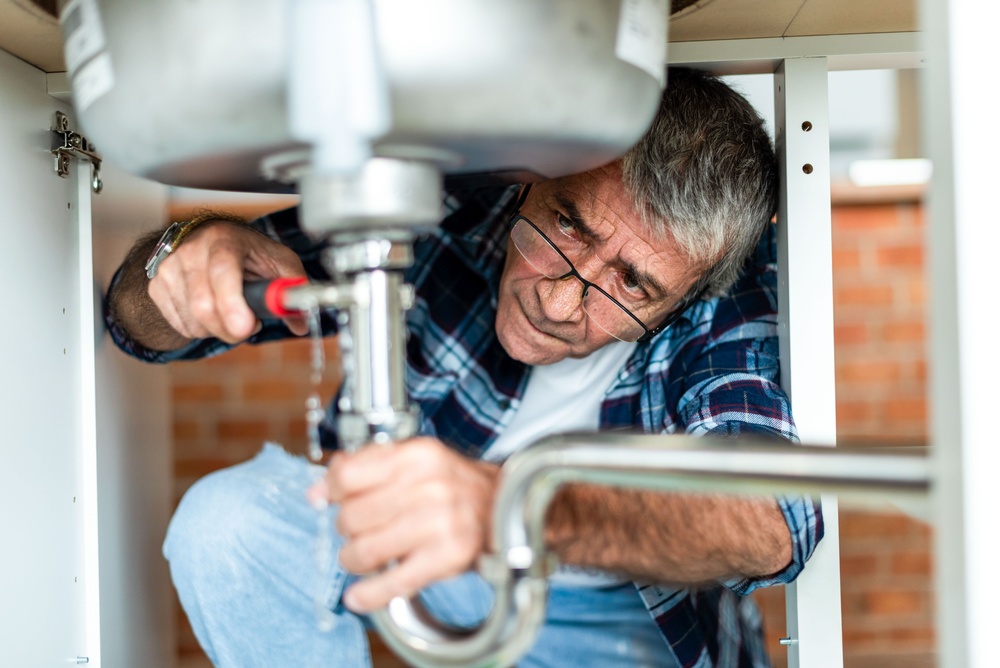
Hot water, good pressure, and dry floors are simple comforts, but plumbing problems often creep up slowly. Regular seasonal checks stop small issues from becoming emergencies and keep appliances, pipes, and fixtures working efficiently. Scheduling basic plumbing maintenance in Tampa, FL, each season gives you predictable costs, fewer surprises, and better home comfort year-round. At Drain Flo Plumbing, we recommend a short checklist for each season, so homeowners know exactly what to watch for and when to call a pro.
Spring checklist to clear, test, and prepare
Spring is the best time to clear winter debris and check outdoor systems after storms.
- Inspect and clear gutters and downspouts to ensure runoff moves away from the foundation.
- Test outdoor faucets and irrigation backflow preventers for leaks and proper operation.
- Run each indoor faucet briefly, check under sinks for slow drips, and inspect visible supply lines for corrosion.
- Flush your water heater to remove winter-accumulated sediment. This boosts efficiency and extends lifespan.
- Schedule a professional plumbing inspection if you notice winter leaks or low pressure; a certified technician can catch hidden winter damage before it worsens.
If you prefer professional help, ask for a plumbing inspection in Tampa, FL, to get a full, documented report.
Summer checklist to conserve water and watch pressure
Summer brings irrigation use and more outdoor activity, both of which stress plumbing systems in different ways.
- Check hose bibs and irrigation valves for leaks or weeping joints; repair or replace damaged washers.
- Look for signs of low pressure during peak use. These include reduced flow in multiple fixtures, which may point to a pressure regulator issue or partial obstruction.
- Inspect the water heater’s relief valve and check for any puddles or corroded connections near the tank.
- Keep drains clear. Use strainers on sinks and tubs to prevent hair and debris buildup that slows flow.
- If you plan any landscaping, avoid planting trees too close to sewer lines to reduce root intrusion risks.
For routine tune-ups or small repairs, book a trusted plumbing service in Tampa, FL, so a pro can handle any needed adjustments.
Fall checklist to prepare for cooler weather and reduce surprises
Fall prep reduces the chance of winter pipe problems and readies systems for lower temperatures.
- Inspect visible pipes in unheated spaces and insulate any that are exposed to cooler air.
- Test sump pumps and battery backups before the rainy season; clean the pit and run the pump to confirm operation.
- Check toilet seals and flush performance. Replace flappers or fill valves that cause phantom runs.
- Examine exterior vents (dryer, bath) for blockages from leaves or nests and clear them to prevent moisture and CO issues.
- If you have an outdoor pool or seasonal plumbing, winterize lines and shut off exterior water when not needed.
Winter checklist to protect against freeze and leaks
Even in mild climates like Tampa, FL, brief cold snaps and heavy rains can reveal weaknesses.
- Monitor basements and crawlspaces for condensation or dampness that signals poor drainage.
- Keep cabinet doors open during cold nights to allow warm air to reach under-sink pipes; add pipe insulation where necessary.
- Check water pressure and listen for unusual noises in plumbing when systems run longer for heating or holiday usage.
- Test shut-off valves and label the main water shut-off. Rapid response prevents major water damage if a line fails.
- Schedule an annual check of gas connections and water heaters to ensure safe combustion and efficient operation.
When to call a plumber?
Some tasks are DIY-friendly, but several signs mean it’s time to call a pro. When determining whether to contact a technician, consider these factors.
- Visible leaks or active water pooling
Any running water that you can’t control with a valve needs immediate attention. - Repeated low pressure across multiple fixtures
This usually indicates a systemic issue, not a single clogged aerator. - Strange noises or smells from plumbing or water heaters
Grinding, banging, or rotten-egg smells warrant professional diagnostics. - Recurring clogs or sewer odors
Frequent blockages often mean a deeper problem, such as tree roots or a failing sewer line. - Gas appliance or complicated number-of-fixtures work
Anything involving gas lines or major rerouting requires licensed expertise.
For reliable help, search for a plumber for maintenance in Tampa, FL, to ensure the technician you call has the right credentials.
Simple year-round actions that pay off
Small habits significantly reduce the need for emergency repairs. Regularly replace sink and shower strainers, avoid pouring grease down kitchen drains, and run warm water while using the dishwasher or garbage disposal to flush debris. Keep a log of maintenance dates and any parts replaced. This helps tradespeople diagnose issues more quickly during inspections.
If you ever doubt whether a symptom is serious, schedule a professional review; a documented plumbing inspection in Tampa, FL, gives peace of mind and a prioritized repair list.
Conclusion
Seasonal maintenance is a small investment that prevents large, disruptive repairs. A few minutes each season to inspect, clear, and test systems, plus annual professional checks, keeps water bills predictable, appliances lasting longer, and your home dry and safe. Use the seasonal checklist above as your baseline, and call a pro when you spot signs you can’t resolve on your own.
Want a seasonal maintenance plan and a professional inspection? Call Drain Flo Plumbing at 727-334-1946 to schedule a full inspection and receive a simple, itemized maintenance plan tailored to your home.
FAQs
1. How often should I schedule professional plumbing maintenance in Tampa, FL?
Most homes benefit from an annual professional inspection and seasonal DIY checks; properties with older systems or high usage should consider twice-yearly visits. Residents of Tampa, FL, often schedule spring and fall inspections to catch weather-related issues early.
2. Can I do most seasonal checks myself, or should I call a plumber in Tampa, FL?
You can handle simple tasks like clearing strainers, changing filters, and checking for visible leaks, but persistent leaks, low pressure across multiple fixtures, or gas-related work should be handled by a licensed pro. For peace of mind, contact a vetted plumber in Tampa, FL, for maintenance when in doubt.
3. What does a typical professional plumbing inspection include in Tampa, FL?
A full inspection covers visible supply and drain lines, water heater condition, pressure checks, drain performance, sump pump testing, and a written report with recommended repairs or maintenance. In Tampa, FL, many homeowners pair inspections with seasonal tune-ups to avoid peak-season delays.