SEE OUR SPECIALS


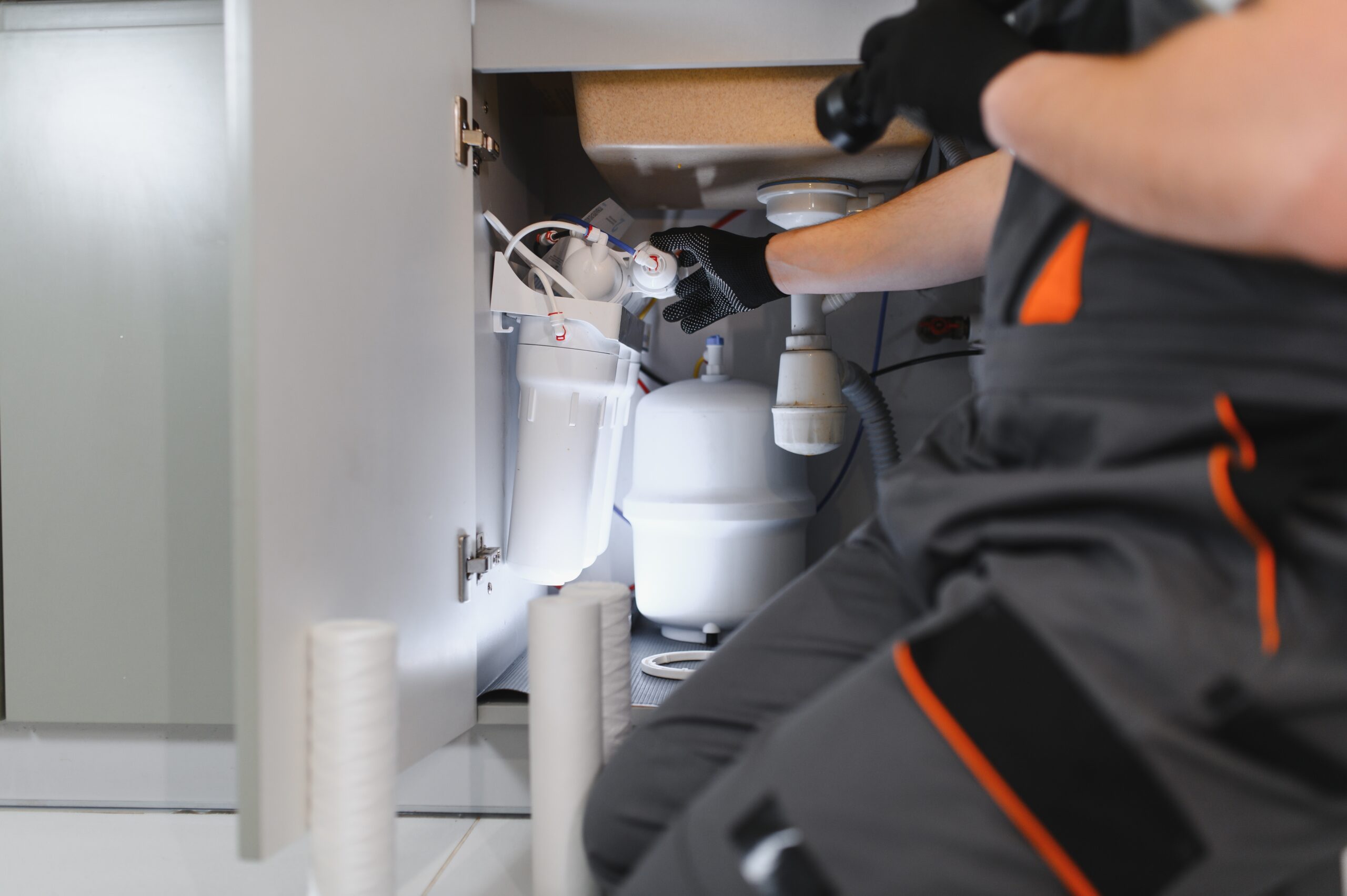
Pipe material is one of those decisions that feels technical and distant right up until the wrong choice starts showing up as leaks, discoloration, and pressure problems years down the road. Getting water pipe installation in Tampa, FL, done with the right materials from the start is what keeps a home’s plumbing system running quietly in the background, the way it is supposed to, rather than demanding attention every few years. Tampa, FL, has specific conditions that not every pipe material handles equally well, and choosing based on general reputation rather than local performance history is where a lot of long-term plumbing problems actually begin. The right material in the right application lasts for decades without drama; the wrong one makes itself known consistently and expensively.
1. Florida’s Water Chemistry Makes Material Selection Non-Negotiable
Tampa, FL, water can run acidic depending on the source and the treatment cycle, and that acidity is not neutral where copper pipe longevity is concerned. Pinhole leaks in copper systems in Florida are not rare occurrences; they are a well-documented pattern in homes where the water chemistry was never factored into the original installation decision. PEX and CPVC resist that kind of chemical interaction and hold up significantly better under Florida conditions over the long term. Understanding what comes out of the tap before deciding what goes into the walls is the most practical starting point for any pipe material conversation.
2. PEX Has Changed What Residential Plumbing Installations Look Like
Cross-linked polyethylene has become the go-to material for a reason, and it is not because it is the cheapest option on the shelf. PEX handles thermal expansion, resists scale buildup, and installs with fewer fittings than rigid pipe systems, which means fewer connection points where future leaks can develop. Its flexibility allows it to navigate the kind of wall and floor obstacles that rigid materials require additional fittings to work around, reducing both labor time and potential failure points simultaneously. For a Tampa, FL, home where heat and humidity are constants, PEX performs reliably without the maintenance concerns that older materials generate.
3. Knowing When the Whole System Needs to Start Over
Individual pipe repairs make sense when the surrounding material is in good shape, and the failure is genuinely isolated. Professional repiping in Tampa, FL, becomes the honest recommendation when galvanized steel has corroded to the point where pressure and water quality are both affected, or when polybutylene pipe is still running through a home that has already experienced multiple failures. Continuing to repair sections of a system that is failing comprehensively costs more over three years than replacing it properly costs once. A professional who assesses the full picture gives the homeowner real information rather than a series of visits that only ever address the most recent symptom.
4. Slab Foundations Add Complexity That Material Choice Has to Account For
A significant portion of Tampa, FL, homes sit on slab foundations, which means some pipe runs are embedded in concrete rather than accessible through walls and floors. Material selection for slab installations needs to account for ground movement, moisture interaction at the concrete interface, and the practicality of future access if something needs attention later. PEX handles the thermal and moisture cycling that concrete slabs experience through Florida seasons considerably better than rigid alternatives that expand and contract at different rates than the surrounding material. Getting this detail right during installation avoids the scenario where accessing a failed pipe means cutting through a finished floor.
5. Fitting Quality Determines Whether the Pipe Material Matters at All
The best pipe material installed with substandard fittings is a system waiting to develop problems at every connection point, and connection points are where most residential plumbing failures actually occur. Brass fittings with proper compression or crimp connections outlast push-fit alternatives in high-use applications and resist the kind of gradual loosening that vibration and thermal cycling produce over years of daily use. A professional who specifies fitting quality alongside pipe material is thinking about the full system rather than the most visible component of it. That attention to the complete installation is what produces a result that genuinely lasts.
Conclusion
Pipe material chosen for the actual conditions of a Tampa, FL, home performs for decades without becoming a recurring expense or a source of ongoing stress. Getting that selection right requires understanding local water chemistry, foundation type, and the realistic service life of each option rather than defaulting to whatever is most familiar. Do it properly once and the plumbing system genuinely disappears into the background where it belongs.
“Call us Drain Flo Plumbing at 727-334-1946 today! We choose the right pipe materials for your home so your plumbing lasts without issues.”
FAQs
Q1: What pipe materials work best for water pipe installation in Tampa, FL?
PEX and CPVC are consistently the strongest performers in Tampa, FL, because they handle the humidity, heat, and water chemistry of the region without the corrosion issues that affect metal alternatives over time. Water pipe installation in Tampa, FL, using copper is still viable but requires proper protection against the acidic water conditions common in parts of the area. Material choice should always start with the specific conditions of the property rather than a general preference. A professional assessment of your water chemistry and existing system is the most reliable starting point.
Q2: How does repiping in Tampa, FL, differ from a standard pipe repair?
A repair addresses a specific failure point, while repiping in Tampa, FL, replaces the entire distribution system so the home is not dealing with sequential failures across aging pipes over the following years. Homes with galvanized steel or polybutylene pipes in Tampa, FL, are candidates for full repiping because those materials have known failure patterns that individual repairs only delay. The decision comes down to whether the existing pipe material has enough reliable life left to justify targeted repairs or whether the whole system needs a reset. A professional assessment answers that question accurately.
Q3: How long does water pipe installation typically take in Tampa, FL?
A standard residential installation or full repipe in Tampa, FL, typically runs two to three days, depending on the size of the home and the complexity of the existing layout. Homes with slab foundations add some time because accessing certain runs requires more careful work than open wall installations. Minimal disruption to daily life is achievable when the project is properly planned and sequenced before work begins. Getting a realistic timeline upfront avoids the frustration of a job that keeps extending past what was originally discussed.