SEE OUR SPECIALS


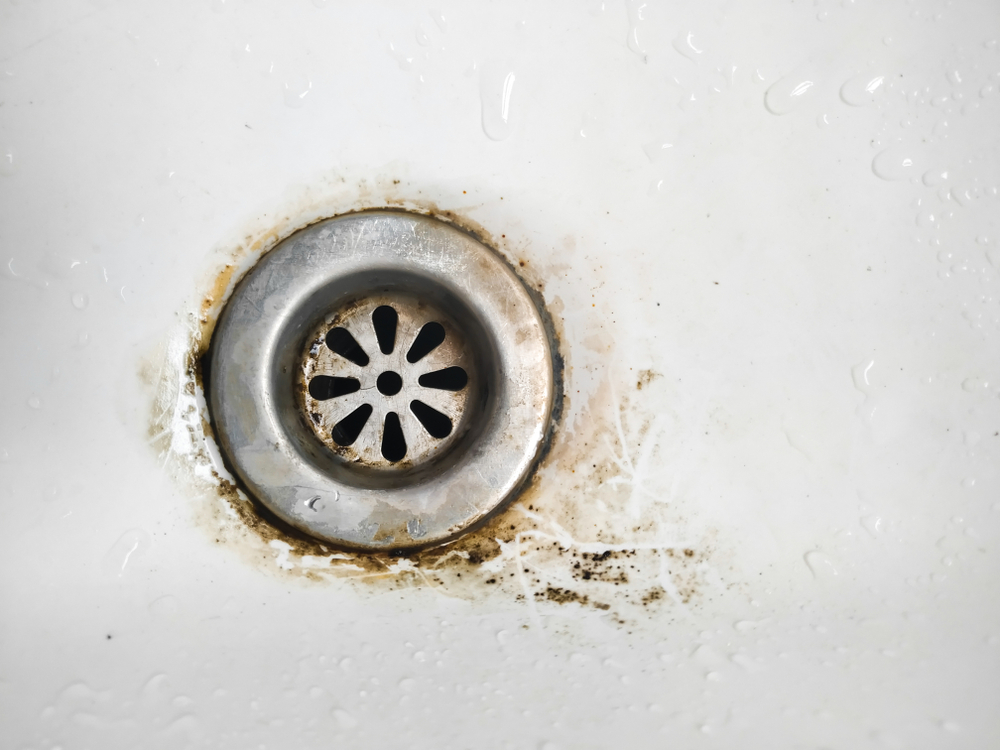
You stroll absentmindedly past the guest bathroom on a sticky July afternoon and catch a sudden whiff of something that honestly belongs in a backyard swamp, not a tidy little powder room. Those smelly drains in summer are easily one of the most common calls we end up fielding the moment the temperature really starts to climb, and the guest bath is almost always the single worst offender anywhere in the house. That eggy, sulfurous funk drifting up at you is not your imagination playing tricks, and it is rarely ever a sign of anything truly disgusting lurking deep down in the pipes. More often than not it is just simple chemistry and a little ordinary neglect quietly teaming up together in the heat. Once you actually understand the why behind it, the real fix is usually far faster and cheaper than that awful smell would ever lead you to believe.
1. The Science Behind the Stink
That unmistakable rotten smell comes almost entirely from hydrogen sulfide gas, a natural byproduct of bacteria happily breaking down all the organic gunk inside your plumbing. These particular little bacteria absolutely thrive in the warm, damp, low-oxygen environment that a quiet drain provides, and the summer heat throws that whole process straight into overdrive. As they steadily feed on the hair, soap scum, and dead skin cells coating the pipe walls, they release that signature sulfur gas you keep catching by surprise. The hotter and more stagnant the conditions happen to get, the faster they multiply and the noticeably worse the resulting odor becomes. So a faint smell that was barely noticeable back in February can quietly become genuinely offensive by the sweltering, humid middle of August around here.
2. The Most Likely Culprit in a Guest Bath
Here is the real thing about almost any guest bathroom: hardly anyone in the household ever actually uses it. Every single drain has a curved section of pipe called a P-trap that holds a small plug of standing water, and that little bit of water is the only real barrier blocking foul sewer gas from drifting up into the room. When a sink or a shower sits completely unused for weeks on end, the trapped water slowly evaporates, the protective seal quietly vanishes, and suddenly your bathroom drain smells like rotten eggs because raw sewer gas now has a wide-open path straight inside. This is far and away the single number one reason a rarely touched guest bath turns sour and swampy in the dry summer heat. The quick home test is genuinely easy: just run the water for a solid thirty seconds and see whether the smell fades away within the hour.
3. Why the Heat Makes It Worse
A long Florida summer is basically a slow, sealed pressure cooker built specifically for plumbing odors. The relentless heat dramatically accelerates the evaporation of those thin protective trap seals, so they dry out completely in a matter of days rather than weeks. That same oppressive warmth also supercharges the bacteria already living happily in the gunk on your pipe walls, rapidly multiplying the foul gas they steadily produce. On top of all that, a tightly sealed, air-conditioned house tends to hold stubbornly onto interior odors that a simple open window would normally carry away. Put every bit of it together and the quiet guest bath that smelled perfectly fine all winter long can easily become the very worst-smelling room in the whole place by July.
4. Chasing Down a Stubborn Odor
When a bad smell stubbornly sticks around even after you have run the water and thoroughly cleaned the drain, it is honestly time to start digging a little deeper. Removing sewer gas odors from home for good sometimes means looking well past the obvious drain to the vent stack, the wax ring sitting under the toilet, or even a hidden hairline crack in the pipe itself. A fully blocked plumbing vent up on the roof, often quietly clogged with fallen leaves or an ambitious bird’s nest, can actually pull the water right out of your traps and let gas seep in from below. A toilet that rocks even slightly or has a quietly failing seal will leak small amounts of sewer gas around its base every single day. At that point, a proper camera inspection by a plumber easily beats endless guessing, because chasing the wrong fix just wastes both your time and your hard-earned money.
5. Keeping the Stink From Coming Back
The honest best cure for a recurring guest bath odor is really just regular, ordinary use. If that room truly sits empty for most of the year, set a simple phone reminder to run every faucet and flush the toilet once a week to keep all those trap seals comfortably topped off. A single cup of water poured slowly down each drain does the very same job in mere seconds if you happen to be heading out of town for a while. For an extra reliable layer of protection, a small splash of mineral oil floated on top of the trap water slows that evaporation way down during long absences. And a quick monthly flush with hot water and a little baking soda neatly keeps the bacterial slime from ever getting a real foothold down in the drain again.
Conclusion
A guest bathroom that reeks of heavy sulfur every single summer is rarely ever a true plumbing emergency, just ordinary plumbing that has been quietly left alone for far too long in the heat. Nine times out of ten the simple answer is a dried-out trap, easily solved by running the water and then keeping it flowing on a regular schedule. When that smell stubbornly refuses to quit even after all the simple fixes, that is your clear cue to start checking the vents, the seals, and the pipes for something deeper. A quick professional look can genuinely save you weeks of holding your breath every single time you walk down that hall. Treat those trap seals with just a little steady attention, and that swampy summer funk stays completely gone for good.
“Guest bath smelling like a swamp again? We will track down the source and clear that sulfur odor fast. Call Drain Flo Plumbing today at 727-334-1946.”
FAQs
Q1: Why does my guest bathroom drain smell like sulfur every summer in Tampa, FL?
In Tampa, FL, the intense summer heat dries out the P-trap in a rarely used guest bath, which lets sewer gas drift straight up through the drain. Running the water for about thirty seconds to refill that trap usually clears the smell within the hour.
Q2: How do I get rid of a rotten egg smell coming from my bathroom drain?
Start by flushing the drain with hot water, refilling the trap, and clearing out any built-up hair and soap scum. If the odor lingers in your Tampa, FL, home, the culprit may be a blocked roof vent or a failing toilet seal that really needs a plumber’s eye.
Q3: Is sewer gas in my Tampa, FL, home actually dangerous?
In small amounts, the rotten egg odor is mostly unpleasant rather than truly harmful, but heavier or constant exposure to sewer gas can trigger headaches and nausea. If the smell is strong and will not clear in your Tampa, FL, home, have it checked promptly to rule out a larger leak.