SEE OUR SPECIALS


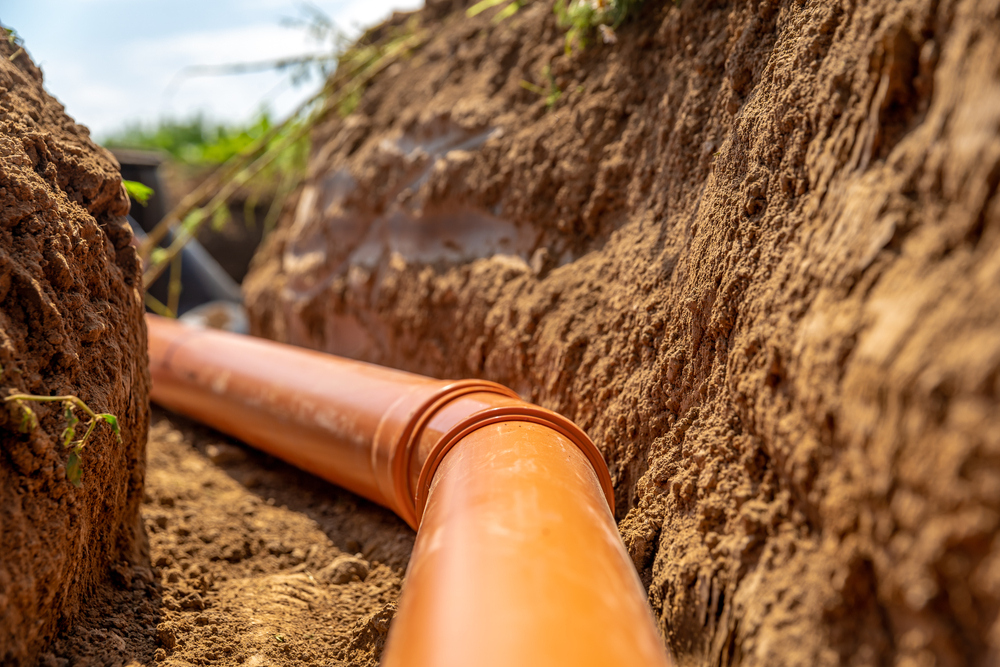
Afternoon thunderstorms roll through so predictably during Florida summers that some homeowners set their schedule around them without ever thinking about what’s happening below the yard. What they don’t usually connect is that a sudden sewer line backup in Tampa, FL often traces directly back to that exact storm pattern, not to anything wrong with the plumbing inside the house itself. Municipal sewer systems and stormwater systems aren’t always as separate as people assume, especially in older neighborhoods where aging infrastructure lets rainwater infiltrate sanitary lines through cracked pipes and loose joints. When that happens fast, during a heavy downpour that dumps an inch of rain in twenty minutes, the sewer system fills faster than it can drain, and the backup has to go somewhere. Usually that somewhere is the lowest drain in the house, which for most homes means a shower, a tub, or a toilet. It’s rarely a coincidence that the same houses seem to deal with this every summer while neighbors a few streets over never do.
1. Why Afternoon Storms Hit the Sewer System Harder Than Steady Rain
A slow, steady rain over several hours gives the ground and the sewer system time to absorb and drain water gradually, without ever approaching capacity. Tampa’s typical summer pattern is the opposite, a fast, intense downpour that dumps a significant amount of rain in a short window, then clears up within the hour. That kind of rapid volume overwhelms infiltration points in older sewer lines almost instantly, since there’s no time for the system to catch up between bursts. Neighborhoods with clay pipe still in the ground, or homes built before certain code updates, tend to see this pattern show up more consistently than newer construction. The storm itself isn’t unusual. It’s the pipe underneath that’s reacting to it. A pipe with a few hairline cracks might handle a drizzle just fine and still let in gallons of water within minutes once the rate of rainfall spikes.
2. What’s Actually Happening Underground During a Downpour
Rainwater entering a compromised sewer line adds volume the system was never designed to carry on top of normal household wastewater. As that combined volume backs up through the pipe, trapped air has nowhere to go except back up through the plumbing fixtures connected to the same line. That’s the actual mechanism behind heavy rain causing toilet to bubble, a phenomenon plenty of homeowners notice without understanding why it happens specifically during storms. The bubbling isn’t random. It’s air being displaced by rising water pressure somewhere in the main line, and it usually means the system is close to a full backup rather than already at one.
3. Reading the Warning Signs Before It Becomes a Mess
Slow drains throughout the house, not just in one bathroom, often point to a main line issue rather than a localized clog in a single fixture. Gurgling sounds coming from drains that aren’t currently in use is one of the more common main sewer line clog symptoms, since it indicates air movement happening somewhere in the shared line. A sewage smell in the yard, particularly near where the main line runs toward the street, sometimes shows up before any fixture inside the house acts up at all. Multiple fixtures backing up at once, especially right after or during a storm, is usually enough to confirm the problem sits in the main line rather than anywhere upstream. None of these signs on their own is proof, but two or three together during storm season are worth taking seriously.
4. When to Stop Waiting and Call Someone
A few specific situations move this from a wait and see problem to one that needs attention immediately.
Sewage backing up into a tub or shower. Once contaminated water is entering a living space, waiting even a few hours risks real property damage and a health concern.
Multiple fixtures affected at the same time. This usually means the main line itself is blocked, not a single drain, and it tends to get worse rather than better on its own.
Storm timing plus prior history. A home that’s had this happen before during heavy rain should treat a repeat storm as a trigger to call rather than wait it out again.
Finding an emergency plumber in Tampa, FL during peak storm season sometimes means a short wait, but starting that call early beats discovering the problem’s gotten worse by morning.
5. What Actually Fixes This Long Term
A single cleared blockage often isn’t the end of the story if the underlying pipe damage caused the backup in the first place.
Camera inspection first. Running a camera through the line shows exactly where cracks, root intrusion, or joint separation are letting water in, rather than guessing at the location.
Hydro jetting for buildup. High pressure water clears grease, roots, and debris from the pipe walls far more thoroughly than a standard snake, restoring closer to full flow capacity.
Spot repair or lining. Once the specific damage is located, a targeted repair or a pipe lining can address just that section instead of replacing the whole line.
Hydro jetting sewer line cost varies depending on line length and access, but it’s usually far less than a full excavation and replacement, especially when caught before the pipe deteriorates further.
Conclusion
Storm season backups aren’t really about bad luck or unlucky timing. They’re about aging infrastructure meeting rainfall volumes it was never built to handle, and that combination repeats every time a strong storm rolls through. Drain Flo Plumbing walks Tampa homeowners through exactly what’s happening in their line before recommending a fix, rather than assuming every backup needs the same solution. Addressing the actual point of water intrusion, rather than just clearing the immediate blockage, is usually what keeps the problem from returning with the next storm. A little diagnostic work upfront tends to save considerably more than repeating the same emergency call every rainy season.
“Storm backing up your drains? Drain Flo Plumbing can find the cause fast. Call 727-334-1946 today.”
FAQs
Why does my toilet bubble during heavy rain in Tampa, FL?
It usually means rainwater is entering the sewer line through a crack or loose joint, displacing air that has nowhere else to go except back up through the nearest fixture.
How much does hydro jetting a sewer line cost in Tampa, Florida?
It varies by line length and access, but it typically costs less than excavation and replacement, especially when the pipe damage is caught before it worsens.
Is a sewer backup during a storm considered an emergency in Tampa, FL?
Yes, especially if sewage is entering a tub, shower, or living space, since waiting risks both property damage and a health hazard that tends to get worse rather than better on its own.