SEE OUR SPECIALS


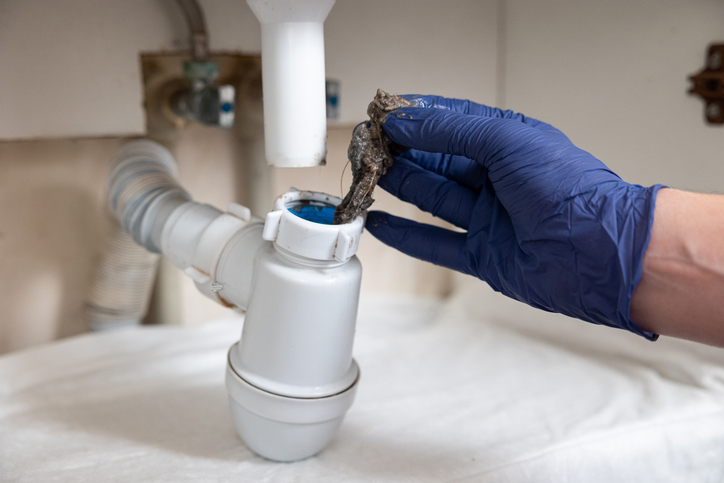
A clogged drain can turn from a minor inconvenience into a major plumbing disaster if ignored for too long. Recognizing early clogged drain signs helps homeowners take action before water damage, backups, and expensive repairs occur. By understanding the subtle and not-so-subtle indicators of developing blockages, you can stay one step ahead and keep your plumbing system working efficiently.
Many issues start small, such as slow drainage or unusual smells, but these early warnings can quickly escalate when left unattended. Learning what to look for will save you time, money, and stress. This guide from Drain Flo Plumbing breaks down the most common signs, explains why they occur, and offers practical steps to prevent emergencies before they begin.
1. Slow-Moving Water in Sinks or Tubs
One of the earliest indicators of a drainage problem is sluggish water flow. When water pools instead of draining quickly, it often points to a buildup forming in the pipes. Over time, hair, grease, soap scum, and debris collect along the inner pipe walls, gradually restricting water movement.
In many cases, homeowners overlook this issue until water barely drains at all, leading to frustration and potential overflow. Addressing slow drainage early can prevent full blockages and reduce the need for emergency plumbing service later.
2. Gurgling or Bubbling Noises
Gurgling sounds from drains, toilets, or pipes signal trapped air trying to escape past a developing blockage. This happens when waste cannot flow freely and forces pockets of air upward. These noises often worsen as the blockage grows, making them an important early warning sign.
If you hear bubbling after flushing the toilet or running the sink, it may mean your plumbing vent is impacted, or the pipes are struggling to push through waste. Either way, ignoring it can lead to sudden backups.
3. Foul or Persistent Odors From Drains
Unpleasant smells coming from the kitchen or bathroom drains typically indicate decaying organic matter stuck in the pipes. Food scraps, grease, hair, and soap often cling to pipe walls, creating an ideal environment for bacteria. As the clog develops, odors become more noticeable and harder to mask.
If smells linger even after cleaning the sink surface, the issue likely lies deeper in the plumbing. This is also the point where homeowners start looking for drain cleaning tips, but professional help may be needed if the odor persists.
4. Frequent Toilet Clogs or Weak Flushing
If your toilet suddenly struggles to flush effectively or frequently clogs, it may be a sign of buildup forming in the main sewer line. Toilets are often the first fixtures to show symptoms of sewer problems because they handle the heaviest waste load.
Repeated plunging may temporarily fix the issue, but it doesn’t address the cause. Ignoring this warning can lead to a complete sewer backup, a costly and hazardous situation.
5. Water Backing Up in Other Fixtures
When using one fixture causes water to rise in another, such as flushing the toilet causing the bathtub to fill, the issue is more serious than a small clog. This usually indicates a blockage deeper in the drainage system that affects multiple pipes at once.
This interconnected backup is a major red flag that your main line may be compromised. Acting quickly will help you prevent major water damage and costly cleanup.
6. Standing Water Around Floor Drains
Basement or laundry room floor drains are often overlooked until water starts pooling around them. Standing water or dampness in these areas suggests the drain is not clearing properly.
Because floor drains tie into the main plumbing system, any blockages here may indicate a larger hidden issue. Catching it early helps prevent flooding and property damage.
7. Sudden Increase in Pest Activity
Unexpected visits from drain flies, cockroaches, or other pests may indicate a developing clog inside your pipes. Pests thrive where moisture and organic buildup exist, making partially blocked drains an ideal environment.
If you begin noticing insects around sinks, tubs, or floor drains, there’s a good chance debris is accumulating out of sight. Addressing the underlying clog will usually eliminate the pests as well.
8. Visible Debris or Dirty Water After Drain Use
If debris, murky water, or residue returns after your drain empties, this is a strong indicator that something is blocking proper flow. Contaminated water may be forced back due to pressure changes created by the clog.
This issue is one of the most obvious and concerning signs and should never be ignored. Acting immediately can prevent damage to both plumbing and personal property.
Conclusion
Identifying clogged drain issues early is the key to preventing plumbing emergencies. By paying attention to slow drainage, strange noises, lingering odors, and other warning signs, you can tackle problems while they’re easy to manage. Early action saves money, protects your home, and ensures your plumbing system runs smoothly year-round.
CTA
If you need reliable drain services, contact our team at Drain Flo Plumbing at 813-391-1500 for expert drain care and peace of mind.
FAQs
1. What are the most common early clogged drain symptoms I should watch for?
The earliest signs include slow drainage, gurgling noises, unpleasant odors, and frequent toilet clogs. Noticing these symptoms early helps prevent sudden plumbing emergencies and costly repairs.
2. Can I fix a developing clog myself, or should I call a plumber?
Minor clogs may be managed with home remedies or basic tools, but repeated issues or foul odors often require professional attention. Calling a plumber ensures the problem doesn’t worsen.
3. How can I prevent clogs before they start?
Regular drain cleaning, avoiding grease disposal, using strainers, and scheduling routine maintenance all help reduce buildup. Preventive care keeps your plumbing system efficient and clog-free.