SEE OUR SPECIALS


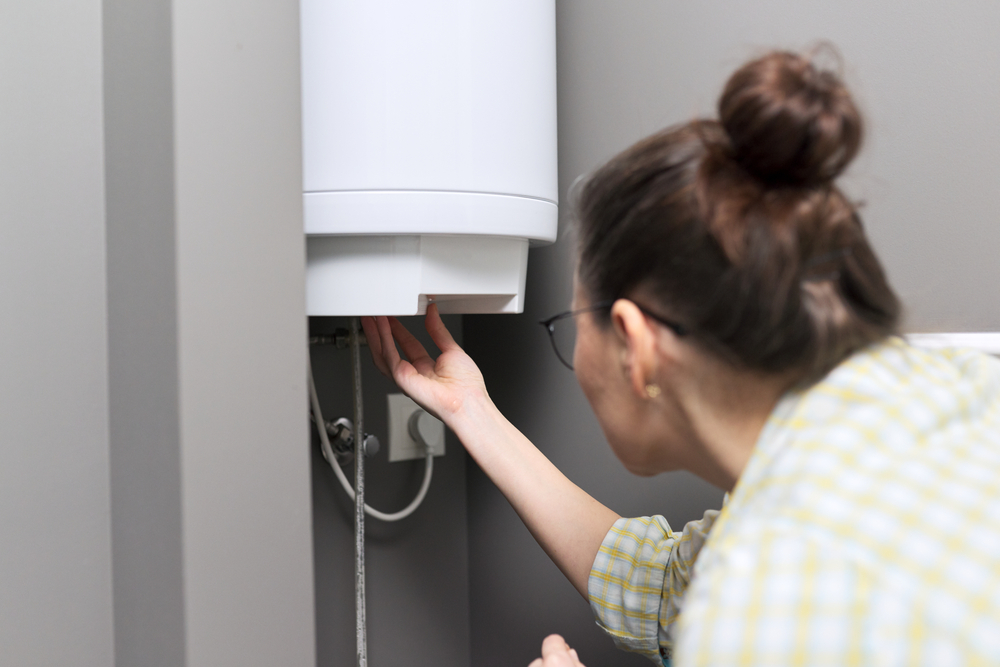
A little water pooling at the base of a water heater during the hottest months isn’t always a sign the tank itself is failing. More often, especially when a homeowner notices water heater leaking temperature pressure valve symptoms specifically in summer, the actual cause sits somewhere in the plumbing system feeding the tank rather than in the tank itself. Rising ground temperatures heat incoming water before it even reaches the heater, which pushes internal tank pressure higher than it runs during cooler months. Add a closed plumbing system, common in newer construction with a backflow preventer at the meter, and that pressure has nowhere to release except through the temperature and pressure relief valve. The valve doing its job by venting isn’t actually the malfunction. It’s usually the warning sign of a pressure problem building somewhere upstream. Ignoring that signal because the valve seems like the obvious culprit tends to leave the actual cause untouched.
1. Why This Shows Up More in Summer Than Any Other Season
Incoming municipal water runs warmer during summer months, since underground pipes absorb heat from surrounding soil that’s been baking for weeks. A water heater working with warmer input water doesn’t need to run its heating element as long to reach the thermostat setting, but the tank still expands the same amount as the water heats. That expansion needs somewhere to go, and in a system with no give, pressure climbs until the T&P valve opens to release it. Homes with newer plumbing, upgraded meters, or recent backflow prevention installations tend to see this pattern show up more than older systems with more give built into the pipes. None of this means the water heater itself is broken. It usually means the system around it has changed in a way the tank’s original setup didn’t account for. A tank installed a decade ago under different plumbing conditions is now operating in a system that behaves differently than it did on install day.
2. What a Closed Plumbing System Does to Water Heater Pressure
A closed system, where a check valve or backflow preventer stops water from flowing back into the municipal main, changes how pressure behaves inside the home entirely.
No pressure release point. Water can’t push backward into the street anymore, so any expansion from heating stays trapped inside the home’s plumbing.
Rising pressure with every heating cycle. Each time the water heater runs, the trapped water expands slightly, and pressure climbs a bit more than it did the cycle before.
The T&P valve as the only outlet. Without another release point, the relief valve becomes the sole thing standing between normal operation and a real overpressure situation.
A thermal expansion tank installation gives that expanding water somewhere to go besides the relief valve, absorbing the extra volume with an internal air cushion instead of forcing it out through the tank.
3. When the Valve Is the Problem vs. When It’s a Symptom
A T&P valve that’s simply worn out, corroded, or holding mineral deposits can fail and drip regardless of what’s happening with system pressure, and that’s a straightforward valve replacement. Water heater repair in Riverview, FL calls this time of year often start as a valve complaint but end up being a pressure diagnosis once a technician actually checks the numbers with a gauge. Static pressure readings above what the tank and valve are rated for point toward a system issue rather than a failed part. Testing pressure at an outside spigot, ideally right after the water heater’s had time to heat a full cycle, usually tells a technician within minutes which category the problem falls into. A reading holding steady above eighty pounds per square inch is usually the clearest signal that the valve’s just doing exactly what it’s designed to do.
4. Municipal Water Pressure and Why It Spikes This Time of Year
Utility companies sometimes increase line pressure during peak summer demand to keep flow consistent across a system serving more usage than usual.
Irrigation demand. Lawn watering and pool refills pull heavily on the system during the driest, hottest stretches, and utilities compensate by running higher pressure.
Seasonal main adjustments. Some municipalities adjust pressure zone by zone depending on demand patterns that shift through the year.
Aging infrastructure under load. Older mains under higher seasonal demand sometimes deliver less consistent pressure, with spikes that a home’s plumbing has to absorb.
Among the more reliable high plumbing water pressure fixes is simply installing a pressure-reducing valve at the main, which caps incoming pressure regardless of what the utility sends through the line.
5. What Happens If This Gets Ignored
A relief valve that keeps venting eventually wears out the seat it seals against, and a valve that’s failed from repeated cycling stops sealing properly even after pressure normalizes. Left unaddressed, sustained high pressure stresses joints, fittings, and the tank itself, shortening the water heater’s service life well below what the manufacturer rated it for. Some homeowners cap or plug a leaking valve out of frustration, which removes the one safety mechanism designed to prevent an actually dangerous overpressure situation. The fix is almost always cheaper and simpler than the eventual consequence of ignoring what the valve’s been trying to communicate.
Conclusion
A water heater venting through its pressure relief valve during the hottest months is usually telling a bigger story than a single failed part. Warmer incoming water, a closed plumbing system, and seasonal pressure spikes from the utility all stack on top of each other at the exact time of year when this shows up most. Drain Flo Plumbing checks the whole picture in Riverview homes before recommending a fix, rather than assuming a new valve alone will solve a pressure problem that’s coming from somewhere else. Addressing the actual cause, whether that’s an expansion tank, a pressure reducing valve, or both, tends to solve the problem permanently instead of temporarily. A dripping valve is worth taking seriously the first time it happens, not after it’s happened three summers in a row.
“Water heater valve leaking this summer? Drain Flo Plumbing can find the cause. Call 727-334-1946 today.”
FAQs
Why is my water heater’s pressure valve leaking in the summer in Riverview, FL?
It’s usually a combination of warmer incoming water and rising pressure in a closed plumbing system, not a sign the water heater itself is failing.
Does a thermal expansion tank stop a water heater from leaking in Riverview, Florida?
In most cases, yes, since it gives expanding water somewhere to go besides the relief valve, which often stops the dripping without needing a full valve replacement.
Is high water pressure common in Riverview, FL during the summer
It can be, especially with utilities adjusting pressure to meet increased irrigation and demand, which is why testing actual pressure at the home is worth doing before assuming the valve itself has failed.