SEE OUR SPECIALS


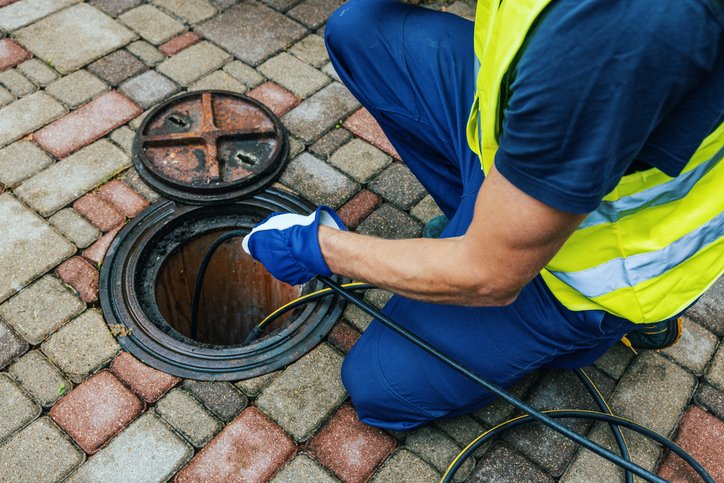
Clogged drains are frustrating, and choosing the right solution can make all the difference. Many homeowners struggle to decide between traditional snaking and a modern hydro jetting service, especially when the blockage keeps returning. Understanding how each method works helps you make a smarter choice.
Both options clear clogs, but they do it very differently. Snaking breaks through blockages, while hydro-jetting cleans the entire pipe. To help you decide, here’s a detailed breakdown of both methods from Drain Flo Plumbing and what makes one better suited for certain drain issues.
1. Understanding How Traditional Snaking Works
Traditional snaking uses a long, flexible metal cable to break through clogs inside the drain. The cable rotates and pierces soft or medium blockages like hair, food waste, and toilet paper. This method has been used for decades because it is simple, reliable, and widely available.
However, snaking only creates a pathway through the clog rather than removing it completely. Debris often remains on the pipe walls, which increases the chances of future clogs, especially in older plumbing systems that already have buildup.
2. How Hydro Jetting Thoroughly Cleans Pipes
Hydro jetting uses high-pressure water streams to blast away buildup, grease, roots, and solid debris throughout the entire pipe. It doesn’t just unclog the drain, but also restores the pipe to near-original condition by scrubbing the interior walls. This cleaning power makes hydro jetting ideal for stubborn or recurring clogs.
Since hydro-jetting reaches every part of the line, it delivers a deeper clean than traditional tools. This makes it effective for homes with heavy buildup or commercial properties that deal with frequent drainage issues.
3. Effectiveness for Different Types of Clogs
Snaking works best for simple blockages that haven’t hardened, such as hair clumps or small items stuck in the line. If the clog is soft and located near the surface, a quick snaking job is often enough to restore flow. This makes it a convenient choice for minor issues.
Hydro jetting, on the other hand, handles severe or deep clogs, including grease layers, mineral scaling, and intrusive tree roots. It is more powerful than any other drain cleaning method, making it the top choice for long-term results.
4. Safety for Plumbing Systems
When handled by a professional, snaking is generally safe for most residential plumbing systems. The tool is flexible and designed to navigate curves without causing damage. This makes it a reliable option even for older pipes.
Hydro-jetting requires more caution because of the intense water pressure. While it is safe for most modern pipes, older or fragile systems may need to be inspected first. A technician will usually check the lines with a camera before performing hydro jetting.
5. Long-Term Results and Preventing Recurring Clogs
Because snaking leaves residue behind, homeowners often experience repeat blockages in the same area. This means they may need service more often, especially in kitchens or bathrooms where grease or soap scum builds up easily.
Hydro jetting eliminates residue, grease, and buildup completely, dramatically reducing the chances of future clogs. Its cleaning power can keep pipes clear for years, making it a valuable investment for long-term plumbing health.
6. Cost Differences Between Both Methods
Snaking is usually the cheaper upfront option because it requires minimal equipment and less time. It’s ideal when you need a budget-friendly, fast fix for a basic clog. Many homeowners choose it for smaller drainage problems.
Hydro jetting typically costs more initially since it requires specialized equipment and expert handling. However, the long-term savings can be significant because it prevents repeated service calls and extends the life of your plumbing.
7. Best Situations to Use Each Method
Snaking is best when the issue is minor, such as a small blockage near a fixture. If the drain is moving slowly but not completely stopped, snaking may be enough to restore flow. It’s also a good first step when diagnosing a problem.
Hydro jetting is ideal when clogs keep returning, when grease buildup is heavy, or when tree roots are invading the sewer line. It’s also preferred for commercial kitchens, apartment buildings, and older homes with years of accumulated debris.
Know more about us!
8. Environmental Impact and Cleanliness
Snaking does not use chemicals and is relatively eco-friendly, but it doesn’t fully remove residue from pipes. As a result, bacteria and grease can remain, causing odor or future blockage issues. Hydro jetting uses only high-pressure water, making it environmentally safe and chemical-free. The complete cleaning effect also reduces sanitation problems and keeps your home’s plumbing system healthier overall.
Conclusion
Both snaking and hydro jetting are effective solutions, but the right choice depends on the severity and type of clog. Snaking is ideal for simple, surface-level blockages, while hydro jetting delivers deep, long-lasting cleaning for tougher plumbing issues. Understanding the benefits of each helps you protect your home’s drainage system and avoid unnecessary repairs.
CTA
Contact a professional drain specialist from our team at Drain Flo Plumbing at 813-391-1500 today for quick, expert guidance.
FAQs
1. Is hydro jetting better than snaking for all types of clogs?
No. Hydro jetting is best for deep, stubborn, or recurring clogs, while snaking works well for simple or soft surface blockages. The ideal method depends on the severity of the buildup.
2. How long do the results of hydro jetting last?
Hydro jetting provides long-term results because it removes grease, debris, and buildup completely. Most homeowners enjoy clear drains for years before needing another cleaning.
3. Can hydro jetting damage old pipes?
It can if the pipes are extremely fragile. Professionals typically perform a camera inspection first to ensure the plumbing system can safely handle the pressure.